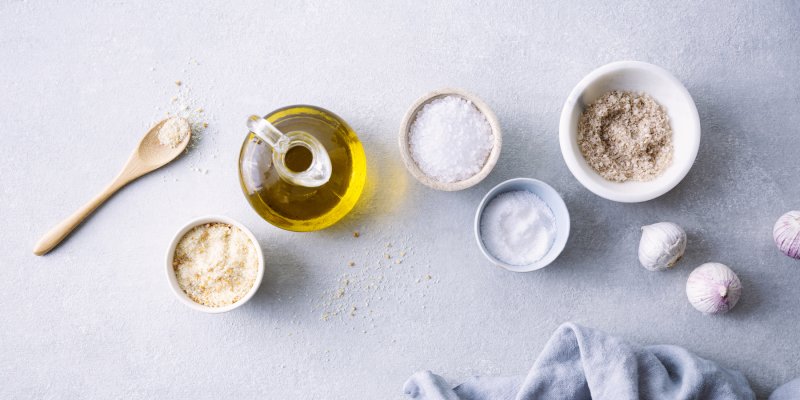
In our pursuit of a clean and inviting home, many of us reach for commercial fabric fresheners, often unaware of the hidden cocktail of chemicals we're releasing into our living spaces. From stale upholstery to forgotten corners, the urge to refresh can lead us down a path of synthetic fragrances and questionable ingredients that do more harm than good. But what if there was a simpler, safer, and significantly more satisfying way to infuse your home with natural, delightful aromas? The answer lies in mastering the art of the diy linen spray – a game-changer for anyone looking to embrace a healthier lifestyle and a naturally fresher home.
Making your own linen spray is not just about saving money; it's about taking control of your environment, protecting your health, and harnessing the incredible power of nature. Ditch those toxic, overpriced products and discover the ease and benefits of creating custom scents that not only freshen but also offer therapeutic advantages for your well-being.
The Hidden Dangers Lurking in Commercial Fabric Fresheners
That instant burst of "freshness" from a typical store-bought room or fabric spray often comes at a steep price for your health. Products like Lysol and Febreze, widely used in homes, are notorious for containing a list of alarming, harmful chemicals. These aren't just tongue-twisting scientific names; they are substances known to have detrimental effects on human health. For instance, many commercial sprays contain:
- Formaldehyde: A known carcinogen and respiratory irritant.
- Toluene: Can affect the nervous system and is linked to reproductive harm.
- Phthalates: Often found in synthetic fragrances, these are hormone disruptors that can interfere with the endocrine system.
- Benzene: Another carcinogen that can impact blood cell production.
- Artificial Scents: These synthetic fragrances are complex mixtures of chemicals, many of which are not disclosed and can trigger allergies, asthma, and even lead to hormone disruption.
When you spray these substances throughout your home, they don't just magically disappear. They linger in the air, settle on surfaces, and are inhaled by you, your family, and even your pets. This constant exposure can compromise your immune system, disrupt your endocrine system, impact your nervous system, and even irritate your skin. The irony is that products marketed for "cleanliness" are often contributing to indoor air pollution and undermining your health. Opting for a diy linen spray sidesteps these dangers entirely, offering peace of mind along with delightful scents.
Why Opt for a DIY Linen Spray? Unveiling the Benefits
The choice to craft your own fabric freshener is a powerful step towards a more mindful and healthier home. Beyond avoiding toxins, the benefits of a diy linen spray are numerous and compelling:
Unbeatable Cost-Effectiveness
Specialty linen sprays can be surprisingly expensive, especially those marketed as "natural" or "luxury." The beauty of a homemade version is that its primary ingredients – water, a little vodka, and essential oils – are incredibly affordable, especially in the long run. You're paying for quality ingredients, not elaborate marketing or brand names, leading to significant savings over time.
Complete Control Over Ingredients
When you make it yourself, you know exactly what goes into your spray bottle. There are no hidden chemicals, no undisclosed "fragrance" compounds. This transparency is invaluable, particularly for households with allergies, sensitivities, or young children and pets. You choose pure, natural ingredients, ensuring safety and purity.
Harnessing Therapeutic Aromatherapy Benefits
This is where homemade sprays truly shine. Essential oils do more than just smell good; they possess powerful therapeutic properties. A lavender-infused spray can promote relaxation and aid sleep, making it perfect for bedding. Citrus oils like lemon or wild orange can uplift your mood and energize a space. Eucalyptus or peppermint can clear the mind and invigorate. By selecting specific essential oils, your linen spray transforms into a personalized wellness tool, bringing the calming or energizing benefits of aromatherapy right into your home.
Incredible Versatility for Your Entire Home
Don't let the name "linen spray" fool you; its utility extends far beyond just bed sheets. This natural concoction doubles as an excellent all-natural air freshener for any room, a quick refresher for upholstery that can't be easily washed, or even a deodorizer for car interiors. A quick spritz can make a guest bedroom feel instantly more inviting, or refresh towels between washes. It's a multipurpose secret weapon for maintaining a fresh-smelling home effortlessly.
Mild Disinfectant Properties
Thanks to the alcohol content (vodka is recommended for its neutral scent), your homemade linen spray can act as a mild disinfectant. While not a heavy-duty cleaner, it can help inhibit the growth of certain bacteria and molds, adding another layer of freshness and hygiene to your fabrics between deep cleans.
Crafting Your Own Natural Linen Freshener: A Simple Recipe
Preparing your own diy linen spray is astonishingly easy – often taking mere minutes. Here’s a foundational recipe that’s perfect for an 8-ounce bottle, an ideal size for refreshing bedding or keeping in a bathroom.
What You’ll Need: Ingredients & Equipment
- Distilled Water: About ½ cup (4 ounces). Using distilled water prevents mineral buildup and extends shelf life. Filtered water can also work.
- Vodka (or Rubbing Alcohol): ¼ cup (2 ounces). Unflavored vodka is preferred as it evaporates cleanly and helps disperse the essential oils without adding its own scent. Rubbing alcohol (isopropyl alcohol) can also be used but has a stronger initial scent. The alcohol acts as an emulsifier, helping the essential oils mix with the water, and quickens drying time.
- Essential Oils: 25-30 drops for an 8-ounce bottle (adjust based on potency and personal preference).
- 8-ounce Spray Bottle: Glass bottles are ideal for essential oil mixtures as they don't leach chemicals, but BPA-free plastic is also acceptable, especially for portability. Ensure it has a fine mist setting.
- Small Funnel (optional but helpful): To avoid spills when filling the bottle.
Easy Step-by-Step Instructions
- Combine Alcohol and Essential Oils: Pour the vodka (or rubbing alcohol) into your clean spray bottle. Add your chosen essential oils directly into the alcohol. Swirl gently to combine. This step is crucial as it helps the essential oils dissolve properly before adding water.
- Add Water: Carefully add the distilled water to the bottle, leaving a small amount of headspace at the top.
- Shake & Enjoy: Secure the spray top tightly. Give the bottle a good shake to thoroughly mix all the ingredients. Shake gently before each use to redistribute the essential oils.
That’s it! Your personalized, natural linen freshener is ready to use. This recipe is also the same basic foundation for an all-natural air freshener, making it incredibly versatile for your home.
Essential Oil Blends for Every Mood and Purpose
The real magic of a diy linen spray lies in the ability to customize your scents. While a general guideline is around 50 drops of essential oil per 16 ounces (so about 25-30 drops for an 8-ounce bottle), remember that some oils are more potent than others. Experiment to find your perfect aroma!
For Calming & Relaxation (Perfect for Bedding)
- Classic Lavender: Known for its soothing properties, making it ideal for sheets and pillowcases to promote restful sleep.
- Peaceful Blend: 15 drops Lavender, 10 drops Cedarwood, 5 drops Frankincense.
- Floral Comfort: 15 drops Lavender, 10 drops Geranium, 5 drops Ylang Ylang (note: Ylang Ylang is potent, use sparingly).
For Uplifting & Energizing (Great for Mornings or Entryways)
- Citrus Burst: 15 drops Lemon, 10 drops Wild Orange, 5 drops Grapefruit.
- Minty Fresh: 15 drops Lemon, 10 drops Peppermint, 5 drops Rosemary.
For Fresh & Clean (Ideal for Bathrooms or Upholstery)
- Clean Linen: 15 drops Eucalyptus, 10 drops Lemon, 5 drops Tea Tree Oil.
- Forest Fresh: 15 drops Fir Needle (like Grand Fir), 10 drops Cedarwood, 5 drops Cypress.
Always source high-quality, pure essential oils for the best results and therapeutic benefits. And remember, feel free to choose your favorite essential oil or combination – the possibilities are endless!
Smart Application & Usage Tips for Your Natural Spray
Your homemade linen spray is a versatile tool, but knowing how and where to use it ensures optimal results and avoids potential issues.
Where to Spray
- Bed Linens & Towels: A light mist on sheets, pillowcases, and bath towels refreshes them between washes, especially helpful for guest bedrooms or before guests arrive. Lavender is a classic choice here.
- Upholstery & Curtains: Freshen up sofas, armchairs, and drapes. This is particularly useful for items that are difficult to clean regularly.
- Closets & Drawers: Eliminate musty odors by lightly spraying inside closets, drawers, or directly onto clothes and blankets.
- Car Interior: Keep a small bottle in your car for an instant pick-me-up on the go.
- Room Freshener: Use it just like you would a commercial air freshener, providing a quick burst of natural scent throughout any room.
- Thoughtful Touches: A small bottle left in a guest basket with toiletries is a lovely and considerate gesture.
What to Avoid (Important Precautions)
- Leather Furniture: The water and essential oils can potentially stain or damage leather. Avoid spraying directly onto leather surfaces.
- Delicate or Water-Sensitive Fabrics: While most fabrics like cotton, microfibre, and tweed (as mentioned in the reference context) are fine, always perform a patch test on an inconspicuous area first. Some very delicate silks or fabrics prone to water spotting might react negatively. Spray a tiny amount in a hidden spot and let it dry to ensure there's no discoloration or damage before general use.
- Polished Wood Surfaces: Avoid spraying directly onto finished wood, as the water and alcohol could potentially leave marks.
Always shake your bottle well before each use to ensure the essential oils are properly dispersed throughout the liquid. Store your spray in a cool, dark place to maintain the integrity of the essential oils, especially if using a clear bottle.
Making the switch to a diy linen spray is more than just a crafting project; it's an investment in your health, your home, and your peace of mind. By ditching the toxic chemicals and embracing the natural power of essential oils, you create a healthier, more inviting environment that truly reflects your desire for wellness. Not only will you save money, but you'll also enjoy the therapeutic benefits and personalized scents that only a homemade product can offer. Embrace this simple yet profound change and infuse your home with natural freshness and vitality. For more fantastic ideas and detailed recipes, explore our articles on DIY Linen Spray: Easy, All-Natural Freshness for Your Home and Easy DIY Linen Spray: Essential Oils for Freshness & Wellness.
